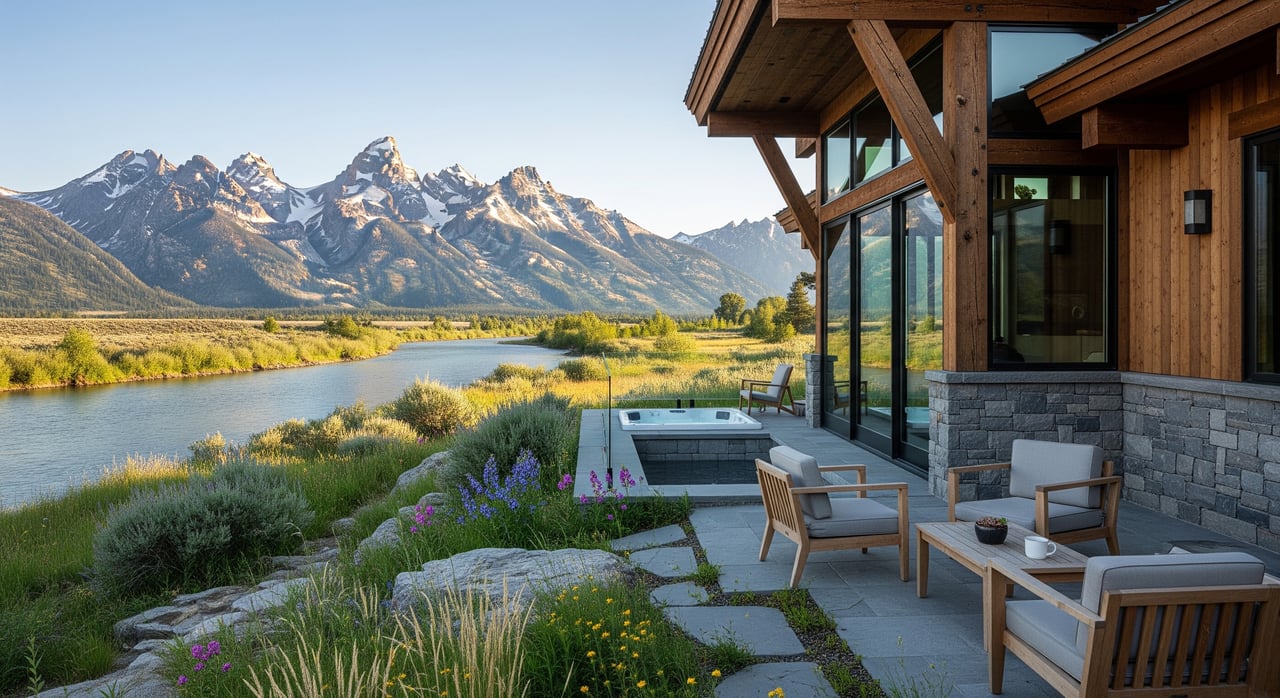
Ever picture yourself waking up to quiet mountain air, a winding river nearby, and wide open skies? If you are weighing a move or second home in eastern Idaho, Swan Valley offers that calm, outdoors‑first lifestyle many people want. You also want the facts about daily living, utilities, access, and the types of homes you will actually find. This guide gives you a clear snapshot of everyday life and housing options so you can decide if Swan Valley is the right fit. Let’s dive in.
Why Swan Valley appeals
Swan Valley is a small, low‑density mountain community along the Snake River near the Idaho–Wyoming border. Life here revolves around scenery and time outside. You will find a mix of full‑time residents, second‑home owners, and seasonal visitors who come for fishing, hiking, and snow seasons.
The pace is quieter than resort towns, which many people love. You trade quick access to big box stores for open space, river views, and a tight‑knit feel. If that balance sounds right, Swan Valley deserves a close look.
Everyday life by season
Summer brings warm, dry days and long light. It is prime time for river float trips and trout fishing along the Snake. Expect more visitors and the most active recreation window of the year.
Fall is crisp and colorful. It is popular for hunting and scenic drives. Tourism eases a bit, and you will feel a calmer, local rhythm return as days get shorter.
Winter is cold with regular snowfall at valley elevation. You will likely plan for snow removal, reliable heat, and a vehicle set up for winter roads. Some days may require chains or 4WD, and services can be more limited during storms.
Spring brings snowmelt, runoff, and mud on some rural routes. River flows change with the season, and access roads can be soft until things dry out. It is a good time to schedule well, pump, and septic checks before the next freeze cycle.
Outdoor recreation close to home
The Snake River corridor is a centerpiece for daily life. Anglers love the trout fishery, and floaters enjoy easy river access and scenic views. Riverfront and river‑view properties are a major draw for buyers seeking a nature‑forward lifestyle.
Public lands surround the valley, offering hiking, mountain biking, hunting, snowmobiling, and backcountry skiing within short drives. You can get outside year‑round if you plan with the seasons.
Community life is low‑key and dispersed. Social time often centers on outdoor clubs, small local events, and regional activities in nearby towns.
Housing choices at a glance
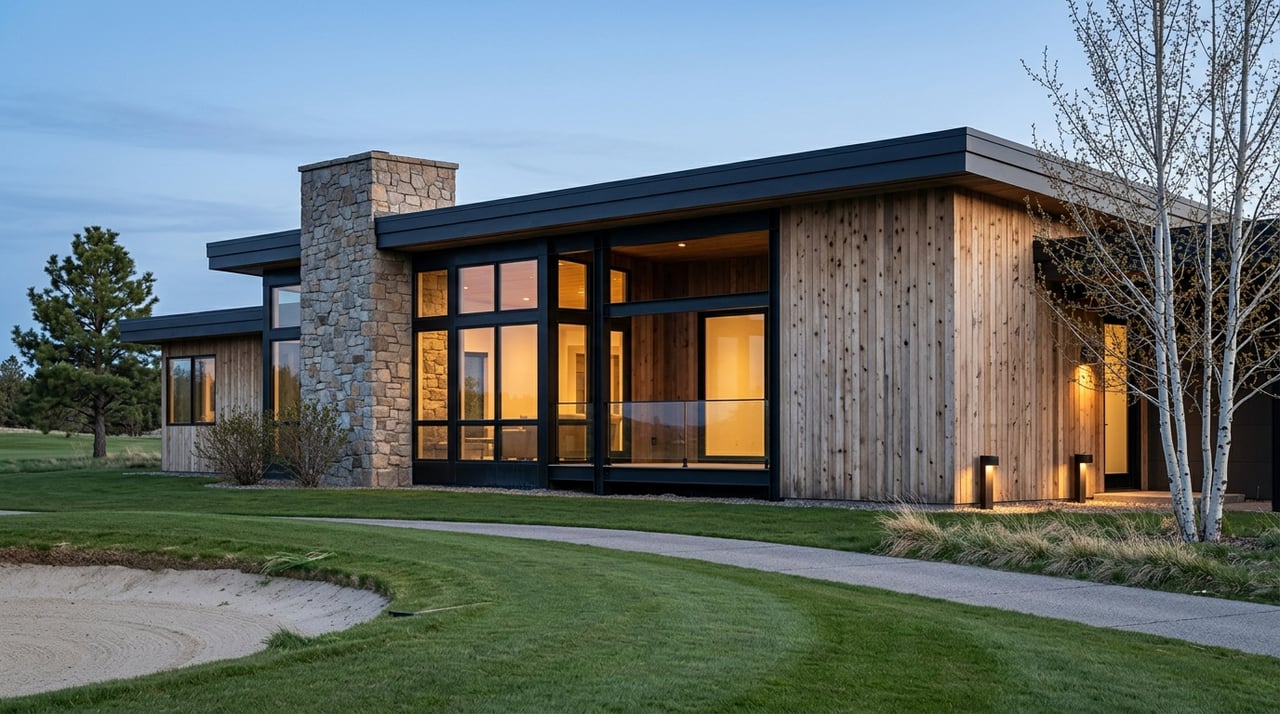
You will see a mix of single‑family homes, cabins, manufactured homes, and acreage properties. Inventory often includes modest houses, older cabins, and seasonal retreats suited to second‑home owners and retirees.
• Small homes and cabins. Many are simple builds with river or valley views. Some were designed for seasonal use, so you will want to check insulation, heating, and access for winter.
• Rural ranch and horse properties. These parcels offer space for grazing, small‑scale ranching, or hobby farms.
• Vacant lots and larger acreages. Buyers seeking privacy or a custom build often purchase multi‑acre parcels. Lot sizes vary widely.
• Manufactured and modular homes. These can be a practical, more affordable option in rural settings, especially on private land.
What to know about property systems
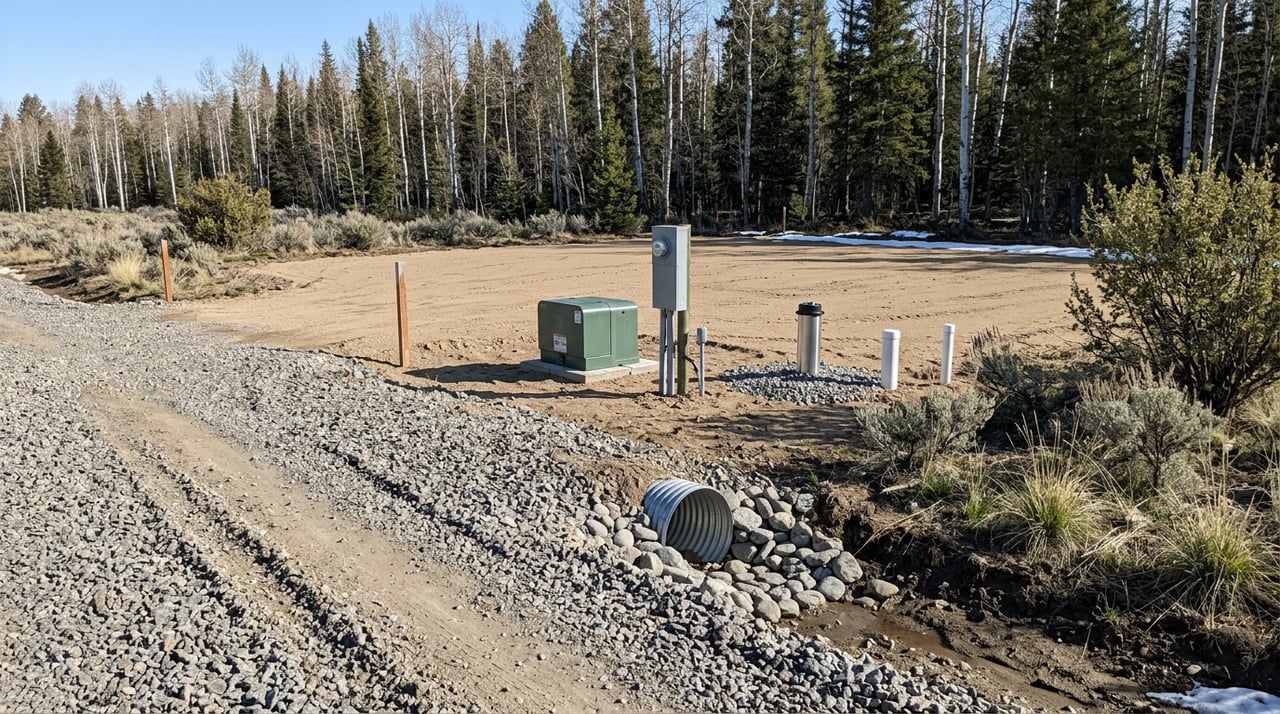
Many properties in and around Swan Valley rely on private wells and onsite septic systems. Inside town boundaries you may find limited municipal utilities, but rural parcels typically use private systems. Always verify what is on the specific property.
Propane, wood stoves, and electric systems are common heating methods. Newer builds may incorporate heat pumps where service and design allow. Some owners use backup generators or wood heat due to occasional winter outages.
Broadband can be limited outside town. Fixed wireless, satellite, and LTE cellular data are common solutions for remote work or streaming. Service quality varies parcel to parcel, so it is smart to test coverage at the property.
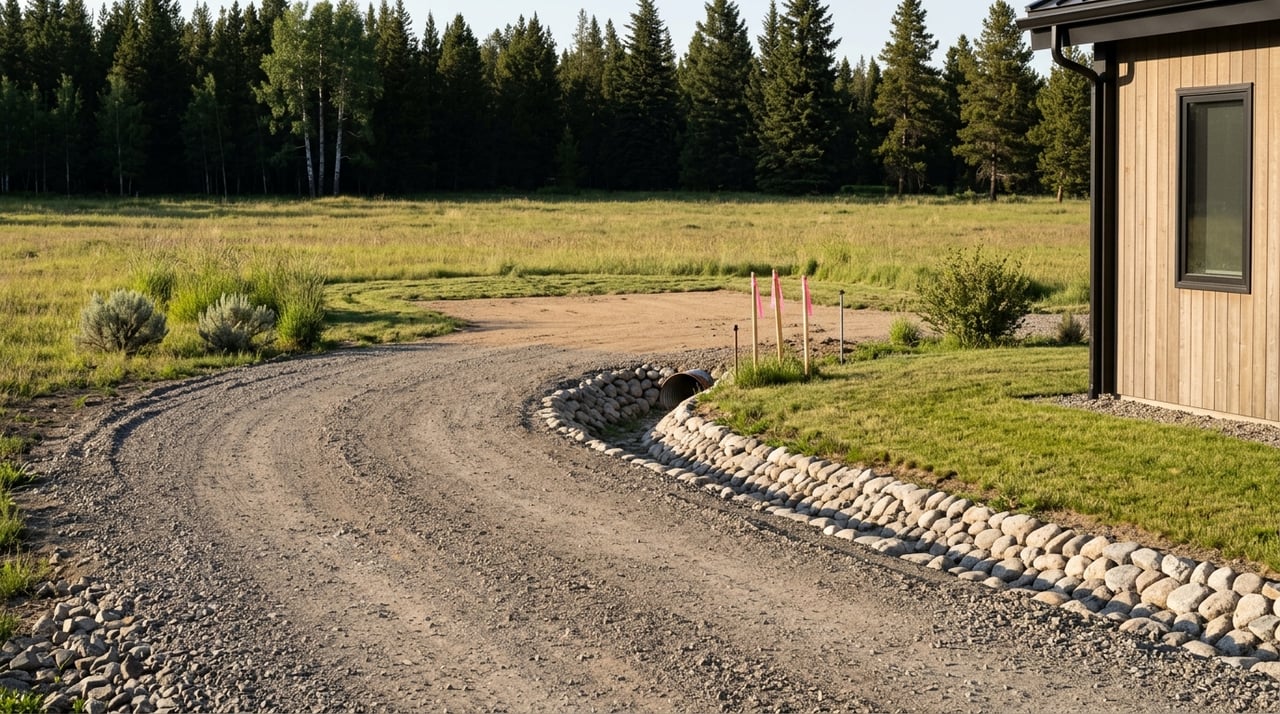
Access also varies. County roads handle primary routes, while some homes sit on private roads or long driveways. Snow removal responsibilities differ. Ask who maintains your road, how it is plowed, and what it costs.
Land use, water, and siting constraints
Most outlying parcels fall under county administration for zoning, building permits, septic, and wells. Inside town, the municipality handles permitting. Confirm which jurisdiction applies before you buy.
Riparian setbacks and floodplain rules along the Snake River can limit where you build and how you develop riverfront land. If a property sits near the river or on low ground, check flood maps and ask about elevation certificates and insurance.
Wildfire risk is a real factor in rural settings. Defensible‑space standards and vegetation management can affect site planning and insurance. It is worth reviewing mitigation steps early in your due diligence.
Water rights matter for irrigated parcels. In Idaho, water rights are a separate, transferable property interest. If you are considering acreage with irrigation, verify what rights are attached, how they are delivered, and any assessments tied to them.
Getting around and regional access
Swan Valley is remote compared with larger employment hubs. Many residents commute to nearby towns for work, schools, shopping, and health care. Others work locally or remotely.
Commute times vary based on destination and weather. A typical range can be 30 to 90 minutes depending on where you go and road conditions. In winter, plan for slower travel and occasional chain or 4WD requirements.
Regional airports with commercial service are located in the larger towns of the region. Private pilots may have small general aviation options nearby. For day‑to‑day needs, you will likely combine local stops with periodic trips to bigger centers for specialty items.
Schools and everyday services
You will find a small selection of local services in town such as a post office or postal outlet, gas and general goods. Larger grocery stores, full‑service hospitals, and specialty retail are in nearby regional centers. Plan your errands to make the most of trips.
For schools, families often look at local and regional district options based on grade levels and commute patterns. Distances and bus routes vary by neighborhood, so ask about daily travel times and pickup points for your specific address.
Buyer checklist for Swan Valley
Use this quick list to organize your due diligence and reduce surprises.
• Utilities and systems. Confirm whether the parcel is on municipal services or private well and septic. Review well yield, water test results, septic permits, and pump inspections.
• Access and roads. Identify county vs private roads, winter maintenance responsibilities, and any road association fees. Evaluate driveway length and snow storage.
• Heating and energy. Document heating type, fuel storage, wood stove permits, and backup power. Ask about seasonal outage history.
• Broadband and cell. Test internet and cell coverage at the home. Check available providers and installation lead times for fixed wireless or satellite.
• Water rights and irrigation. For irrigated land, verify recorded water rights and irrigation assessments. Understand delivery infrastructure and costs.
• Flood and wildfire. Review floodplain maps, riparian setback requirements, and wildfire defensible‑space guidelines. Get insurance quotes early.
• Zoning and buildability. Confirm jurisdiction, zoning designation, building setbacks, and any conservation easements or deed restrictions. For vacant land, require a perc test or septic feasibility review.
• Seasonal living. Ask about snow removal, spring runoff impacts, and road conditions during storms. Plan vehicle and storage needs accordingly.
Is Swan Valley a fit for you?
Swan Valley is ideal if you value quiet surroundings, river access, and year‑round outdoor recreation. It rewards self‑sufficiency and planning, especially in winter, but gives you space and scenery that can be hard to find elsewhere.
The key tradeoff is clear. You get privacy and a relaxed pace in exchange for longer drives and more hands‑on property care. If that balance works for your lifestyle, Swan Valley can feel like home.
Ready to explore properties, evaluate land, or plan a custom build with clarity? Reach out to the local team at Grand Associates for place‑based guidance and practical, development‑savvy support.
FAQs
What is daily life like in Swan Valley?
- Expect a quiet, outdoors‑focused routine with seasonal rhythms. Summer is active on the river, winter brings snow, and services are more limited than in urban areas.
What housing types are common in Swan Valley?
- You will find small single‑family homes, older cabins, manufactured homes, ranch and horse properties, and vacant land or larger acreages for custom builds.
Do most homes in Swan Valley have wells and septic?
- Many rural properties use private wells and onsite septic systems. Limited municipal utilities may exist inside town boundaries. Always verify the setup on a specific parcel.
How challenging is winter access and commuting?
- Winter driving can be demanding at times. Chains or 4WD may be required, and commute times vary widely based on destination and weather, often ranging from 30 to 90 minutes.
Are water rights included with acreage in Swan Valley?
- Water rights are a separate property interest in Idaho. Some irrigated parcels have rights attached. Verify recorded rights, delivery method, and any assessments before purchase.
Can I build near the Snake River in Swan Valley?
- Riverfront development is subject to riparian setbacks and floodplain rules. Confirm flood status, setbacks, and elevation data before designing a home or accessory structures.