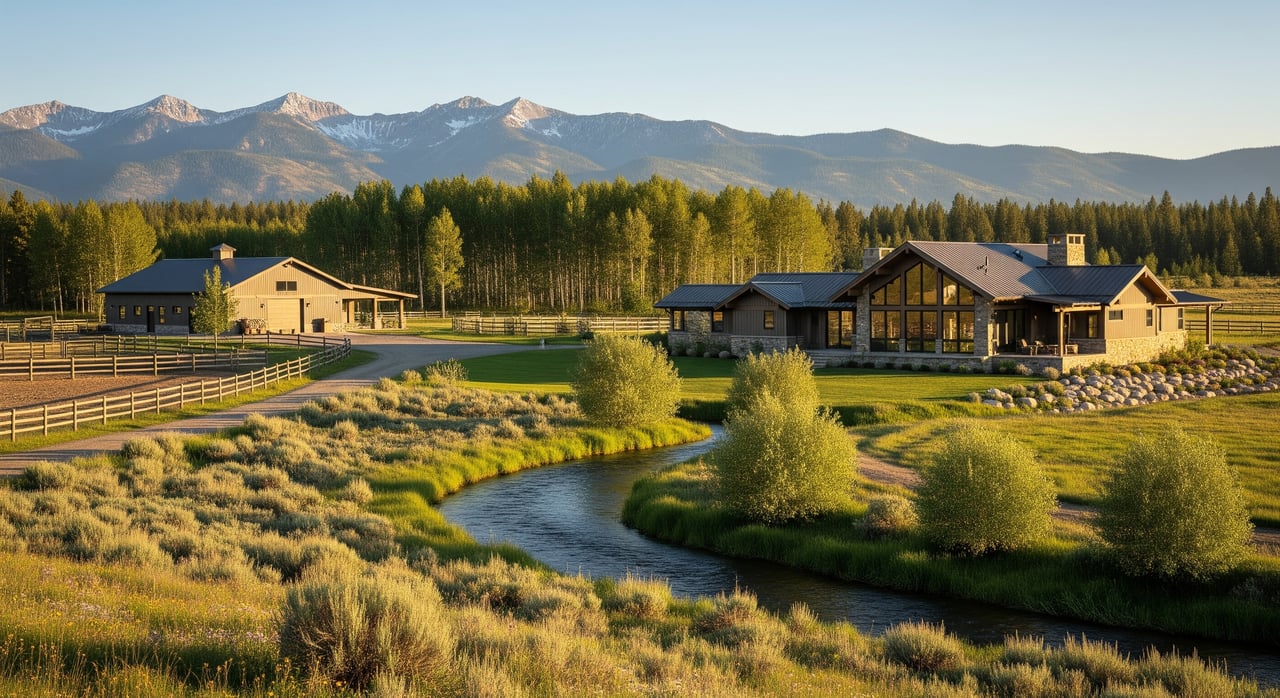
Shopping for land in Swan Valley can feel like comparing apples to elk. Two parcels with the same acreage can have very different prices and timelines to build. If you are trying to make a smart move, you need a clear way to judge what truly drives value here. In this guide, you will learn the key factors that shape acreage pricing, a simple scoring framework to compare parcels, a due diligence checklist, and when to request a broker price opinion. Let’s dive in.
Key drivers of value in Swan Valley
Access and location
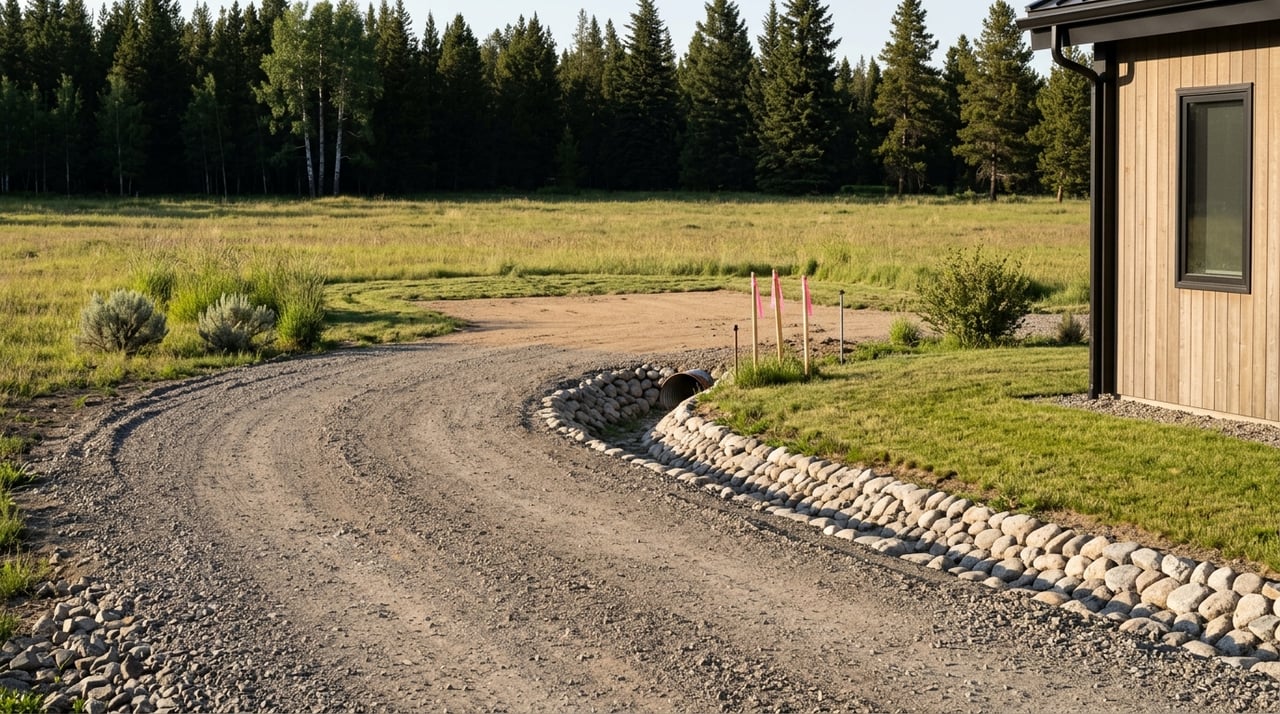
Access shapes daily life and resale. Parcels with direct paved access and short drives to regional services attract more year-round buyers and stronger offers. Long gravel approaches, seasonal or gated access, and unimproved last miles limit the buyer pool and lower per-acre pricing. Proximity to the I‑15 corridor and travel time to Idaho Falls for medical, grocery, and airport access also matter. Always confirm legal access on parcel maps and recorded easements.
What to verify:
- Legal access via recorded easement or county road.
- Year-round road conditions and winter maintenance.
- Distance and road quality from the highway to the property.
Utilities and services
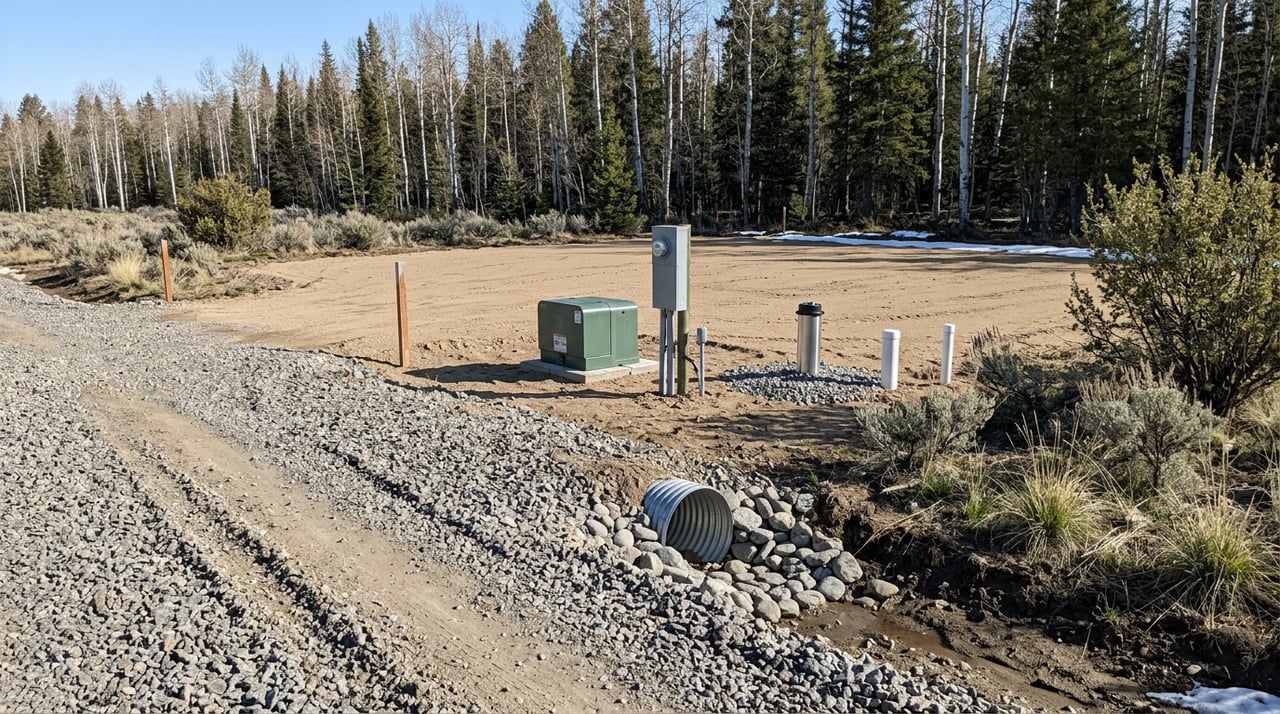
The closer the utilities, the lower your total build cost. Power at the lot line is a major plus. Extending distribution lines or going off-grid can add significant expense. Water options vary by location. Some areas rely on individual wells, and well depth and yield can vary in mountain valleys. Septic feasibility depends on soils and slope. Broadband and cell coverage influence remote work and second-home demand.
What to verify:
- Electric service line location and cost to extend.
- Well feasibility, permits, and any existing water rights.
- Septic suitability and local health district requirements.
- Internet and cell coverage from local providers.
Topography and buildability
Slope, soils, drainage, and usable area affect both feasibility and cost. A level bench or buildable plateau is far easier than steep ground that needs cuts, fills, or retaining walls. Soil-bearing capacity and percolation drive foundation and septic design. Floodplain or wetlands can limit placement and add permitting steps.
What to verify:
- Slope and buildable area with a site plan from a surveyor or engineer.
- Soil mapping and a perc evaluation for septic.
- Floodplain and wetlands presence using official maps and local guidance.
Views and recreation adjacency
Swan Valley’s views and access to the Snake River are lifestyle magnets. River frontage, broad mountain vistas, and adjacency to public lands command premiums. Easy reach to fishing, boating, hunting, snowmobiling, and trail systems lifts demand, especially from second-home buyers. Be aware of any seasonal crowding, river use rules, or access restrictions that may affect how you plan to enjoy the property.
What to verify:
- View corridors and solar exposure from a proposed build site.
- Distance to river access points, reservoirs, and trailheads.
- Proximity to USFS or BLM lands and any use regulations.
Legal encumbrances and zoning
Your right to use the land is defined by county zoning and any private rules. Zoning controls allowed uses, minimum lot sizes, and approvals for accessory structures or short-term rentals. Covenants, conditions, and restrictions and HOA rules may limit building style, livestock, outbuildings, or rental activity. Recorded easements for utilities, roads, or minerals can reduce usable area. Conservation easements permanently restrict development and can influence taxes and price.
What to verify:
- County zoning, permitted uses, and minimum lot sizes.
- CCRs, HOA bylaws, and design standards if applicable.
- Recorded easements, mineral reservations, and any conservation encumbrances.
Road maintenance and carrying costs
Who plows and repairs your access matters in Swan Valley winters. County-maintained roads are a clear plus. Private roads require agreements, reserve funds, or ad hoc arrangements that add cost and risk. Long private driveways mean more snow clearing and upkeep. Clear maintenance language and funding mechanisms increase buyer confidence and marketability.
What to verify:
- County vs private status of all access roads.
- Road maintenance agreements, budgets, and insurance requirements.
- Typical annual costs for snow removal and repairs.
Market comparables and liquidity
Recent sales of similar parcels are the anchor for pricing. In rural markets, sales data can be thin, so expand the radius and adjust for the big drivers above. Features like river frontage, year-round paved access, and utilities at the lot line command higher per-acre figures. Raw acreage without utilities or legal access often takes longer to sell and requires more aggressive pricing. Watch seasonal demand patterns for lifestyle acreage.
What to verify:
- Recent nearby land sales by size, access, utilities, and views.
- Days on market trends for similar parcels.
- Any discounts or premiums tied to river proximity, floodplain, or CCRs.
A simple Swan Valley valuation framework
Use this scoring tool to compare parcels side by side. It is a screening method to organize your thinking. It does not replace a formal appraisal or a local broker market analysis.
- Score the six core factors from 0 to 10
- Access and location: 0 very poor to 10 excellent.
- Utilities and services: 0 limited to 10 full utilities at the road.
- Topography and buildability: 0 severe constraints to 10 easy build.
- Views and recreation adjacency: 0 minimal to 10 exceptional.
- Legal encumbrances and zoning: 0 heavy limits to 10 flexible and clear.
- Road maintenance and carrying costs: 0 uncertain and costly to 10 county maintained and predictable.
- Apply suggested weights
- Access and location: 20 percent
- Utilities and services: 20 percent
- Topography and buildability: 20 percent
- Views and recreation adjacency: 15 percent
- Legal encumbrances and zoning: 15 percent
- Road maintenance and carrying costs: 10 percent
- Calculate your composite score
- Multiply each factor’s score by its weight.
- Add them to get a composite out of 10.
- Use recent local sales to convert the score into a pricing band. Start with a base per-acre figure from similar comps, then adjust up or down based on the composite.
Adjusting for your goals
Different buyers value different things. If you plan to live here full time, weight utilities, year-round access, and road maintenance more heavily. If you are an investor or planning a rental-friendly build, emphasize zoning flexibility, rental rules, and market liquidity. If you are a weekend recreationist, lean into views, river access, and adjacency to public lands.
Due diligence checklist for acreage buyers
Use this list before you write an offer.
Title and legal
- Order a preliminary title report to identify easements, CCRs, mineral reservations, and any road maintenance obligations.
- Confirm legal access through recorded easements or county roads.
Zoning and permitted uses
- Verify county zoning, minimum lot sizes, and allowed uses.
- Ask about permits for accessory structures or short-term rentals if relevant.
Access and roads
- Drive the access route in different conditions when possible.
- Confirm who maintains the road and how costs are shared.
Utilities and services
- Confirm power line location and get an estimate for service extension.
- Check well permit records, water rights status, and plan for a site-specific well feasibility review.
- Request septic soils and percolation evaluations and confirm local health district requirements.
- Map cell coverage and verify internet options.
Environmental and hazards
- Review flood maps for floodplain status and potential insurance needs.
- Screen for wetlands, high groundwater, or other constraints.
- Consider wildfire risk and local guidance on mitigation.
Soils and topography
- Pull soil survey data and engage a surveyor or engineer for buildable area and cut or fill estimates.
Recreation and public land access
- Map proximity to USFS or BLM parcels, boat ramps, trailheads, and seasonal closures.
Budgeting
- Gather ballpark quotes for utility extensions, septic system, driveway, site prep, and impact fees.
- Review taxes, HOA dues, and any road association fees.
Professional reports
- When indicated, obtain geotechnical studies, wetland delineations, or well yield testing to reduce uncertainty.
When to request a BPO or appraisal
A broker price opinion is often the fastest way to anchor pricing and strategy in Swan Valley.
Request a broker price opinion when:
- The parcel has nonstandard features such as a flag lot, split zoning, partial easements, or river frontage.
- Comparable sales are sparse or older and you need local adjustments for access, utilities, or views.
- You want a quick, market-oriented read for pricing, listing strategy, or preliminary financing talks.
Request a full appraisal when:
- A lender requires it for purchase or refinance.
- The property has complex encumbrances, significant improvements, or legal questions.
- You need a precise value for estate, tax, or litigation purposes.
Who to engage:
- Local rural land brokers with direct Swan Valley experience for practical BPOs.
- Licensed appraisers with rural and riverfront valuation expertise for formal appraisals.
Pricing tips for sellers
You can speed up a sale and protect value by preparing well. Gather key documents such as the plat, CCRs, any well or perc data, and utility maps. Lead your marketing with what buyers value most, such as paved access, utilities at the road, wide views, or river proximity. If local comps are thin, order a BPO to set a realistic list price. Clear road maintenance details and transparent carrying costs build buyer confidence.
Pricing realities in Swan Valley
Lifestyle demand in eastern Idaho remains a key driver, but every parcel is unique. River frontage, paved access, utilities in place, and broad view corridors typically create price premiums. Parcels without utilities or clear access often see longer days on market. Because rural sales can be thin, take a wider view of recent transactions and adjust carefully for the major drivers. A local market read will help you avoid overpaying or underpricing.
Next steps
If you are comparing multiple parcels, score each one today using the framework above. Then run the due diligence checklist, confirm access and utilities, and price test your findings against recent sales. If the parcel has unusual features or the sales data is limited, request a local BPO to dial in your offer or list price. When you are ready for hands-on guidance, reach out to the team that lives and works these markets every day.
We combine local knowledge with practical development insight to help you make a confident decision. Connect with Grand Associates to discuss a parcel, request a market read, or start your search. Start Your Teton Valley Search.
FAQs
Can I build both a home and a guest cabin on Swan Valley acreage?
- It depends on county zoning, minimum lot size, CCRs, septic feasibility, and legal access, so confirm rules with planning and complete soils and well feasibility checks before you design.
Do I need water rights for a well or surface water use?
- Idaho regulates groundwater wells and surface water use, so review permit records and consult a water rights specialist before relying on irrigation or any diversion.
How much do CCRs and HOAs affect value?
- CCRs can limit uses such as livestock or rentals but may support neighborhood consistency and values, so review recorded rules, design standards, and any fees before you buy.
How do I estimate site development costs on raw land?
- Get quotes for power extension, well drilling, septic, driveway, and site prep, then add a contingency, since soils, slope, and engineered systems are the biggest cost drivers.
Is river frontage worth paying a premium for?
- River frontage is highly sought after for lifestyle and resale but requires extra diligence on flood risk, riparian setbacks, public access questions, and seasonal use constraints.