You want land near Tetonia for the views, privacy, and room to build the home you imagine. The setting is extraordinary, but getting from dream to driveway takes smart due diligence on zoning, access, water, septic, and power. In this guide, you’ll learn the rules that shape what you can build, how to evaluate year-round access, and how to confirm utilities and site conditions before you commit. Let’s dive in.
Zoning basics near Tetonia
Teton County sets most of the rules that govern land outside town limits, including areas that surround Tetonia. The County’s Land Development Code lists zone districts, average densities, setbacks, and overlay maps you will use to confirm what’s allowed on a specific parcel. It’s your primary reference for permitted uses and site standards. You can review the current code in the County’s published ordinance in the County’s Land Development Code.
Areas of City Impact and density
Parcels close to Tetonia can sit inside an Area of City Impact. These AOIs include districts like AOI-2.5 and AOI-20 that set different average densities. Elsewhere in the valley, zones such as RN-5, RR-20, and RA-35 step down density as you move into more rural and agricultural areas. The code’s density numbers tell you how many dwellings may be allowed on average, but setbacks, slopes, and environmental overlays often determine where a house can actually sit.
Overlays that shape views
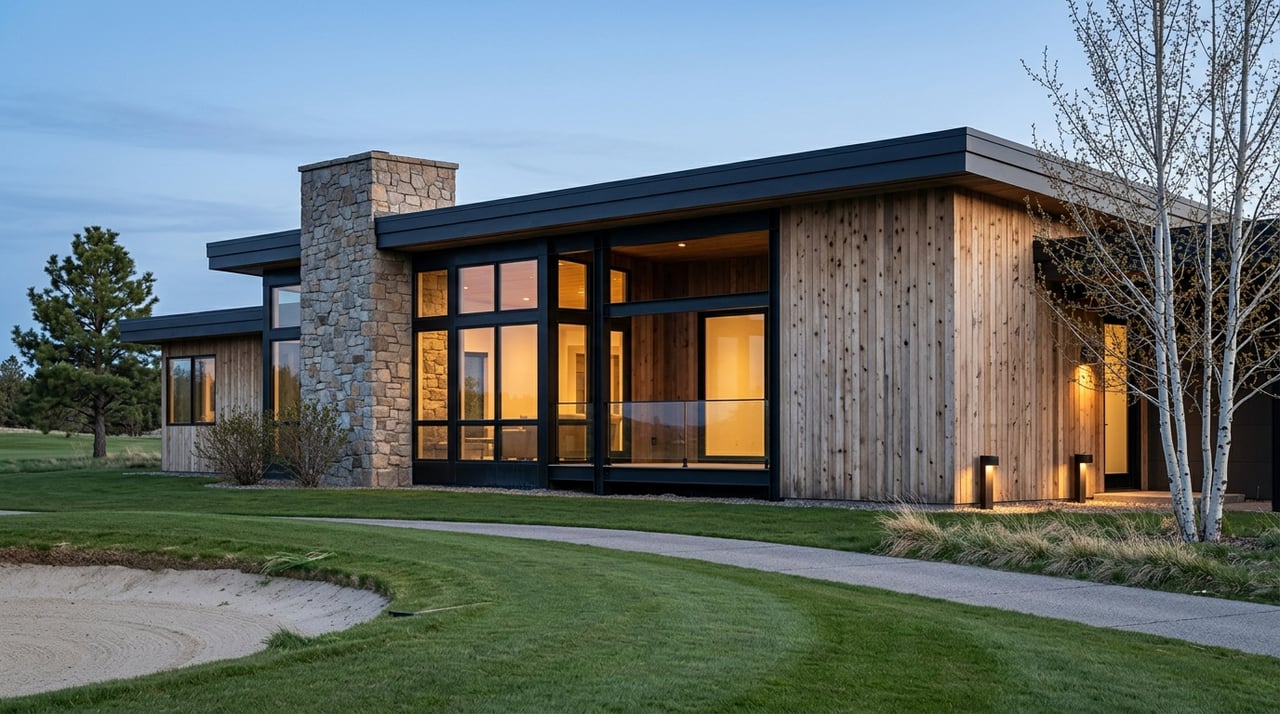
If you’re buying for Teton views, pay close attention to scenic corridor rules. Development within about 500 feet of major corridors like SH-31, SH-32, SH-33, and Ski Hill Road must meet scenic standards, which can affect building height, materials, and siting. Ridgeline and visual impact rules are designed to protect valley views and may require visual analysis if a ridgeline cannot be avoided. Floodplain, wildfire, and natural resource overlays also add extra review where hazards or sensitive resources are present.
Road access and winter realities
Year-round access is essential in Teton Valley, especially if you plan to build away from town.
Who maintains which roads
Public highways like SH-31, SH-32, and SH-33 are maintained by the Idaho Transportation Department. County and town agencies maintain public local roads, while many subdivision and private drives fall to property owners or HOAs. In practice, snow removal across the valley is a patchwork of state, county, city, and private efforts, so plan for private snow management if you’re evaluating a more remote parcel. Local reporting explains how crews coordinate in winter in a patchwork approach to plowing.
Winter closures and private drives
During heavy storms or whiteout conditions, state highways can close temporarily. If your route depends on a stretch prone to weather impacts, plan for occasional delays and check conditions before you travel. The Idaho Transportation Department publishes closure updates during major events in its winter weather closure notices.
Access permits and emergency standards
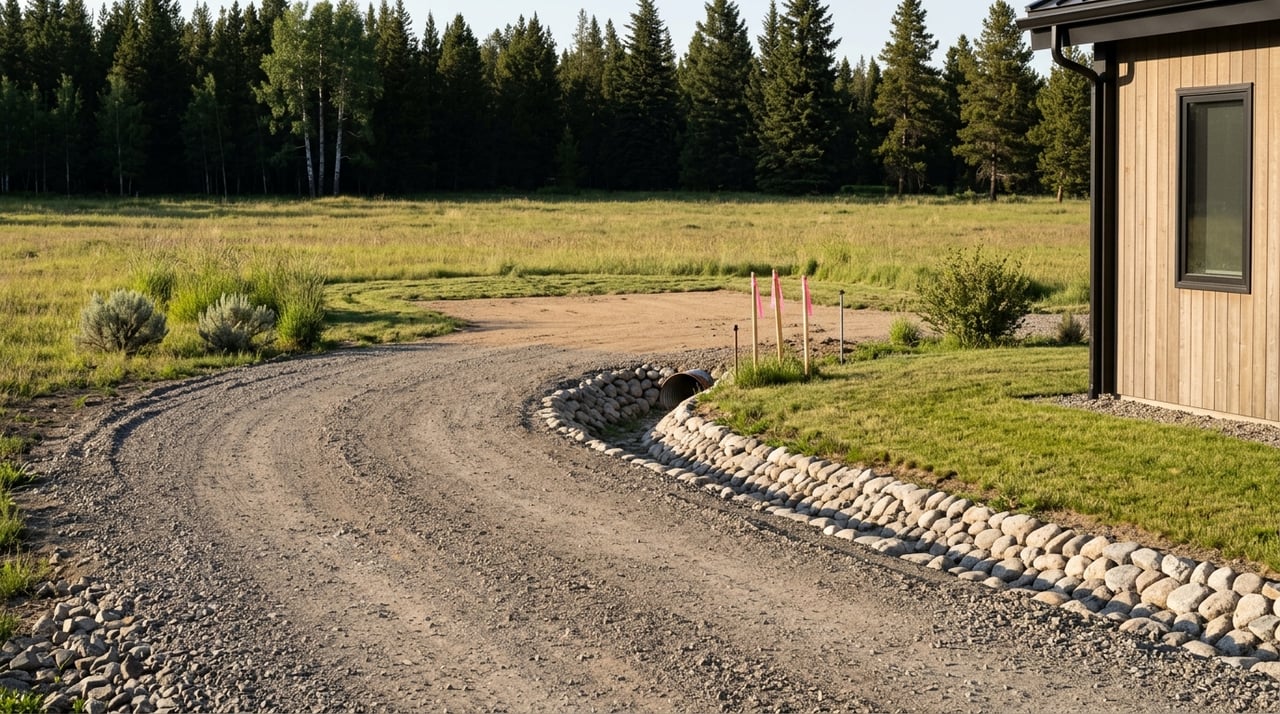
When you create or modify a driveway or subdivision road, you’ll work with County Road & Bridge standards and, for larger developments, meet Fire Marshal requirements for emergency access and turnarounds. Expect permits for new access points and minimum standards for grade, width, and surfacing. If a lot relies on minimal or fragile roads, the County may condition approvals to ensure safe access for residents and emergency services.
Power, internet, and heat
Rural utilities in the Tetonia area vary by address. Confirm service and costs during your inspection window.
Electricity service and line extensions
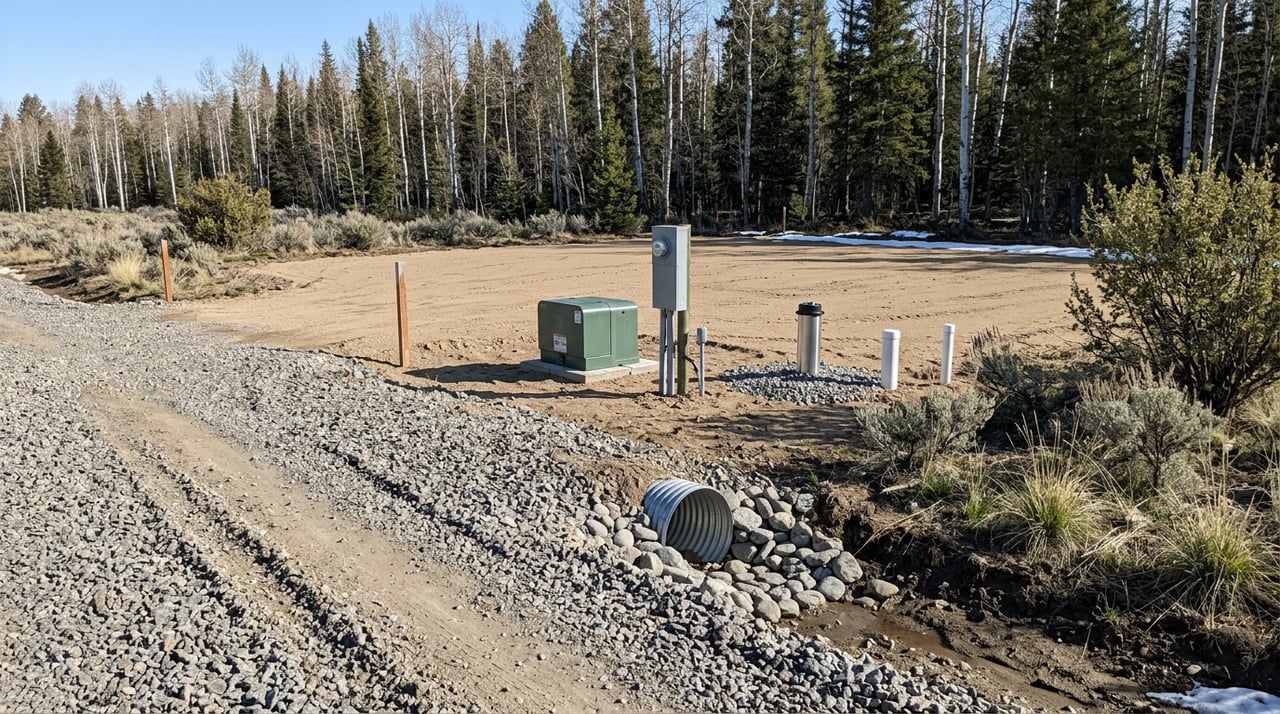
Much of the rural Driggs and Tetonia area is served by Fall River Electric Cooperative, with some addresses on other providers. Do not assume a nearby line means an easy hookup. Ask the utility to confirm whether your parcel needs new poles, transformers, or trenching, and request a line-extension estimate in writing. The cooperative’s district references and updates highlight service in West Driggs and Tetonia in Fall River Electric’s member updates.
Internet and telecom options
Fixed broadband is available across large parts of the valley, but service can vary by road and even by lot. Local ISPs advertise fiber, DSL, and fixed wireless in and around Tetonia and Driggs. Before you buy, use provider address lookups to confirm serviceability, speeds, and install costs for the exact parcel. You can scan providers and technologies serving Tetonia in the regional internet provider overview.
Heating fuels and delivery
Natural gas access is limited in much of rural Teton Valley. Most rural homes rely on propane, electric systems such as heat pumps, wood, or a hybrid approach. If you’re considering a remote site, plan for reliable fuel delivery or an all-electric strategy with backup power.
Water and wastewater
Water and septic are two of the most common deal shapers on rural acreage. Verify both early.
Well water and the domestic exemption
Most rural parcels rely on private wells. Idaho’s domestic exemption allows certain small-scale household use without a water right permit, with limits that include daily volume and a small irrigation allowance. Because groundwater levels in parts of the Teton Basin have declined, well yields and water-right issues can be parcel specific. Before you rely on a new or existing well, review Idaho’s domestic exemption guidance, pull any available well logs, check IDWR’s well and water-rights maps, and ask IDWR whether the property is in a groundwater management or moratorium area. Start with the agency’s domestic exemption resources.
Septic approvals and testing
Septic systems are permitted by Eastern Idaho Public Health and must meet County code. For individual lots, you’ll schedule a site evaluation and, if needed, percolation testing. For subdivisions or higher density proposals, the County may require a nutrient-pathogen study and can require a community system instead of individual septic tanks and drainfields. The County’s residential submittal checklist outlines the sequence of approvals and the requirement for EIPH signoff before building permits are issued in the Teton County residential submittal checklist.
Soils, slopes, and floodplains
Your soil and site characteristics can influence foundation design, septic layout, and even where the driveway runs.
Soil tests and drainfields
Soils in the valley vary from loess-derived silt loams to alluvial mixes near waterways. Some areas percolate well, while others are slow and require engineered systems. The NRCS describes the Tetonia soil series and related map units common in the area. Use those descriptions as a starting point, then get on-the-ground percolation tests and an EIPH site evaluation to confirm septic feasibility. You can read the NRCS description of the Tetonia Series for context.
Hillsides and visual rules
Development on steep slopes often needs extra engineering. The County restricts building on slopes over 20 percent and may require grading permits, erosion control plans, and compliance with ridgeline and visual standards in scenic corridors. If your preferred site sits on a bench or ridge, be prepared for additional review and potential visual analysis.
Floodplains and wetlands
Parcels near the Teton River, creeks, or wetlands may include FEMA flood zones or riparian buffers that limit where you can build. Floodplain setbacks and mitigation can reduce your buildable area or shift your layout. During due diligence, compare the parcel against current FEMA maps and County overlay maps, and factor any constraints into your site plan. FEMA’s recent Federal Register updates for Teton County describe ongoing flood map work.
A smart due diligence checklist
Use this step-by-step list to reduce surprises and keep your build timeline on track:
- Confirm zoning and AOI status. Check the official County zoning and overlay maps, and read the zone standards for density, setbacks, and overlays in the County’s Land Development Code.
- Gather seller records. Request surveys, well logs, previous septic permits or perc tests, recorded easements or CCRs, and any utility connection agreements.
- Call EIPH for septic. Schedule a site evaluation and ask if your parcel falls in a special review area where a nutrient-pathogen study may be required. The County will require EIPH approval before issuing a building permit, as outlined in the Teton County residential submittal checklist.
- Verify water with IDWR. Use IDWR’s tools to check well logs, water-rights status, and any groundwater management or moratorium areas. Review the domestic exemption guidance and ask how shared wells or irrigation plans affect your options in the domestic exemption resources.
- Confirm power early. Contact the serving utility to verify existing service, transformer availability, and line-extension costs. Fall River Electric offers updates and contact information in its member updates.
- Check internet by address. Use provider address lookups to confirm fiber, DSL, or fixed wireless availability and install costs for the exact parcel in the regional internet provider overview.
- Order soil and geotech work. Schedule percolation testing and, for hillside or variable soils, a geotechnical report with foundation, frost, and drainage recommendations.
- Review overlays and floodplain. Compare the parcel to County scenic, flood, and natural resource overlays and verify FEMA flood zones. Consult recent FEMA updates for Teton County in the Federal Register update.
- Plan access and emergency standards. Confirm driveway permits, subdivision road standards, and Fire Marshal requirements for turnarounds and spacing.
What this means for your land search
Buying land near Tetonia rewards careful planning. Zoning and overlays shape where and how you can build. Winter realities affect your access plan and maintenance budget. Wells and septic demand real testing, not assumptions. And utilities, from power to broadband, should be priced and timed before you close.
If you want a partner who combines local insight with practical development know-how, we’re here to help. Our team lives and works in Teton Valley, and we regularly guide clients through the details that make or break a rural build. When you are ready to walk properties, pressure-test a site plan, or map a due diligence timeline, reach out to Grand Associates.
FAQs
What zoning rules apply to land near Tetonia?
- Most parcels outside town are governed by Teton County’s Land Development Code, which sets zone districts, average density, setbacks, and overlays that control siting and design.
How do scenic corridor rules affect my views and siting?
- If your parcel lies within about 500 feet of major corridors, scenic standards can limit height, materials, and ridgeline impacts, and may require a visual analysis before approval.
What should I know about winter road access near Tetonia?
- Snow removal is handled by a mix of agencies and private parties, highways can close during major storms, and remote drives may need private plowing to maintain access.
How can I confirm electricity and internet for a specific parcel?
- Ask the serving electric utility for a written line-extension estimate and use provider address lookups to confirm fiber, DSL, or fixed wireless availability and install costs.
What is Idaho’s domestic well exemption in the Teton Basin?
- Idaho allows certain household uses without a water right permit, subject to daily volume and small irrigation limits, but you should verify well yield and any management areas with IDWR.
What septic testing is required to build on rural acreage?
- Eastern Idaho Public Health issues septic permits after a site evaluation and, if needed, percolation tests; subdivisions or denser projects can trigger a nutrient-pathogen study.