If you want top dollar for acreage in Swan Valley, start before the sign goes up. Rural land buyers tend to look past surface-level cleanup and focus on the details that affect use, access, and closing risk. When you prepare those details early, you can reduce surprises, strengthen buyer confidence, and put yourself in a better position when offers come in. Let’s dive in.
Why prep matters on Swan Valley acreage
Selling acreage is different from selling a typical house in town. Buyers often ask deeper questions about boundaries, access, wells, septic systems, and recorded documents because those issues can affect financing, inspections, and future plans for the land.
In Bonneville County, that prep work matters even more because different agencies manage different pieces of the file. The county's platting office does not determine boundaries or map easements, while health and water agencies handle many of the records buyers want to review. According to Bonneville County Platting and Mapping, resolving these items before listing can help rural properties sell more cleanly.
Confirm boundaries and legal description
One of the first steps is to gather your recorded deed and any subdivision plat tied to the property. Bonneville County states that platted lots should be documented by the recorded plat, while non-platted land should be documented by the deed of acquisition.
If the exact boundary location is unclear, the county says you should consult a licensed land surveyor. That matters because the county also notes that it does not determine boundaries, ownership, or provide legal advice through its mapping office. In other words, the tax map is helpful for reference, but it is not the final word on what you own.
If a survey was recorded in the past, do not assume that alone updated the legal boundary record for sale purposes. Bonneville County explains that a recorded survey does not by itself change parcel numbers or boundary records, and a new deed with the updated legal description must also be recorded.
Check easements separately
Easements are often a key issue on rural land, especially when a parcel uses a shared driveway, private road, or utility corridor. Bonneville County states that the Assessor's office does not track or map easements, which is why title review is so important.
Before listing, gather any recorded easements or access agreements you have. If you cannot easily confirm how access or utilities cross the property, that is a sign to review your recorded documents early rather than waiting for escrow.
Verify access and driveway condition
Access can shape a buyer's first impression long before they ask about price. If your driveway is rough, hard to see, or crosses drainage in a way that raises questions, buyers may worry about future costs or county compliance.
Bonneville County Road and Bridge states that it does not remove snow from private roads or driveways, including portions within the public right-of-way. That makes it smart to ensure your driveway is visible, functional, and easy to navigate before photos, tours, and winter showings begin.
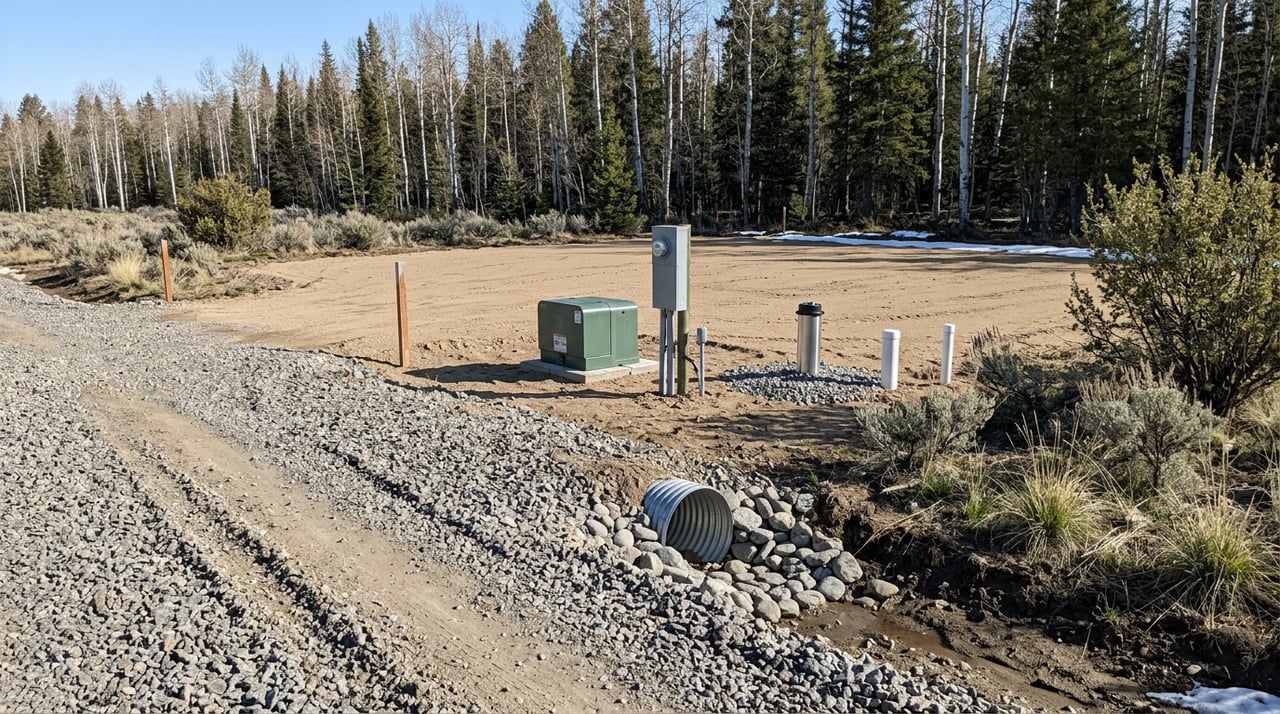
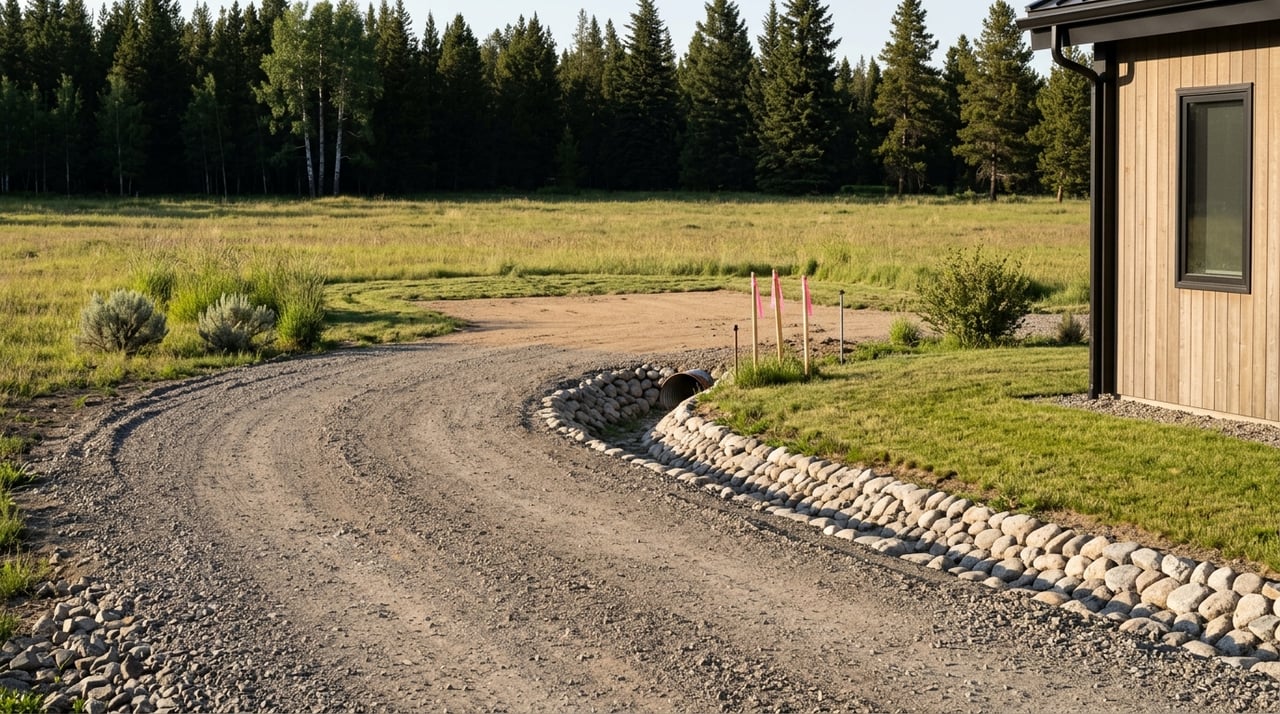
If your driveway crosses a drainage swale, verify whether it has the required culvert. The county states that an approach crossing a swale must include at least a 12-inch corrugated metal pipe under the approach. For acreage with a long or informal drive, this is worth checking before a buyer or inspector flags it.
Clean up the right-of-way
The area near the road can also create issues. Bonneville County says the area between the road surface and the property line or right-of-way fence is controlled for drainage and snow storage, and many encroachments are prohibited.
That can include large rocks, certain landscaping features, and mailbox materials that are not breakaway. The county notes that property owners can be cited if they create hazards in the public right-of-way, so it is wise to remove obvious obstructions and make access points easy to identify.
Straightening fence lines, clarifying turnarounds, and checking mailbox placement can make the property show better and feel easier to use. Small access improvements can support a smoother showing experience, especially on rural parcels where buyers are evaluating practicality as much as scenery.
Gather well and water records early
For acreage with a private well, buyers will usually want more than a verbal description of the water source. A cleaner file includes records that help confirm the well's construction history and current condition.
The Idaho Department of Water Resources well resources can show well size, depth, geology, depth to water, flow rate, and scanned drillers' logs. Pulling those records before listing can help you answer questions faster and reduce uncertainty for buyers.
Water quality matters too. The Idaho Department of Environmental Quality drinking water FAQs state that private well owners are responsible for water safety and recommend annual testing for nitrate and coliform bacteria. Having recent water test results ready can make your seller packet more complete.
Review domestic water use rules
If your acreage includes irrigation, livestock use, or a shared-well arrangement, document it carefully. The Idaho Department of Water Resources domestic exemption guidance explains that, effective July 1, 2025, domestic use can include homes, livestock, and up to one-half acre of irrigation if total use stays within 13,000 gallons per day.
IDWR also states that multiple domestic rights cannot be combined for a non-domestic purpose, and that the rule change does not remove other subdivision requirements. It also advises owners to confirm whether a proposed well site is in a moratorium area, critical groundwater area, or groundwater management area, because that can affect whether a domestic exemption applies.
Organize septic documents before listing
Septic paperwork is one of the most important parts of a rural land sale. Buyers often want to see permit history, installation information, inspections, and any available as-built documents before they feel comfortable moving forward.
According to Eastern Idaho Public Health septic resources, a valid installation permit is required for septic construction or repair, the permit is good for two years, and the system must be inspected before being covered. The agency also notes that septic records go back to 1971.
If you are requesting records, Eastern Idaho Public Health says the form requires the parcel number plus PLSS, Township, Range, and Section. If there is an active permit, its septic permit application packet states that the permit may be transferred within the first two years if site conditions and wastewater flows remain the same.
Build a complete seller packet
A strong seller packet can save time and help buyers feel more secure about moving ahead. On Swan Valley acreage, that packet is often more important than cosmetic touch-ups because it addresses the issues most likely to delay escrow.
A practical file may include:
- Recorded deed
- Plat or survey
- Recorded easements or access agreements
- Well log
- Recent private well water test results
- Septic permit, inspection, and as-built documents if available
- Water-right records, if applicable
- County permits related to structures or utility work
Bonneville County's Clerk, Auditor, and Recorder information states that recorded documents must be original, signed, and notarized, and that copies of plats and surveys can be purchased through the Recorder's Office or county land-records search.
Confirm tax classification and permit history
If your parcel is taxed as agricultural land, verify that classification before listing. According to Bonneville County's agricultural exemption page, agricultural land must be actively devoted to a bona fide profit-making agricultural venture, and horse or personal-use grazing does not qualify.
The county also notes that more than five contiguous acres may qualify and that initial applications are due by April 1. This matters because buyers may ask whether the current tax treatment is expected to continue, and it is better to discuss that from verified county guidance rather than assumption.
For improved acreage, keep permit records with the file as well. Bonneville County Public Works explains that rural addressing starts through Planning and Zoning when a building permit is applied for, and Public Works then measures from the driveway stake to assign the number.
Focus on the prep that protects your sale
In Swan Valley, the highest-value work usually happens in the paperwork and access details, not just in appearance. Clear boundaries, documented access, a workable driveway, and organized well and septic records can help your property feel more credible from day one.
That kind of preparation can also reduce last-minute negotiations and escrow delays. When buyers can verify what they need early, they are better able to focus on the land itself and what makes your property worth pursuing.
If you are getting ready to sell acreage and want practical guidance on how to position it well, Grand Associates brings a hands-on, land-savvy approach to complex rural property sales.
FAQs
What documents should you gather before selling acreage in Swan Valley?
- A strong file usually includes the recorded deed, plat or survey, recorded easements or access agreements, well log, recent water test results, septic permit and inspection records, water-right records if applicable, and county permits tied to structures or utility work.
Why are boundaries important when selling Swan Valley acreage?
- Bonneville County states that its mapping office does not determine boundaries or ownership, so buyers often want recorded plats, deeds, and sometimes a licensed surveyor's input if boundary locations are uncertain.
What access issues can delay a Swan Valley acreage sale?
- Common issues include unclear recorded access, shared-drive questions, right-of-way encroachments, and driveway conditions such as missing culverts where a drive crosses a drainage swale.
What well records do buyers want for rural property in Swan Valley?
- Buyers often ask for well logs, construction details, flow information, and recent private well water test results for nitrate and coliform bacteria.
What septic information matters when listing acreage in Swan Valley?
- Septic permit records, inspection documents, and as-built information are often critical because buyers want to confirm the system was permitted and inspected through Eastern Idaho Public Health.
Should you rely on the tax map when selling land in Swan Valley?
- No. Bonneville County states that the tax map is not the final authority on ownership or boundary location, so recorded documents and survey information matter more for sale preparation.