If you are looking for a newer golf community in Teton Valley, Teton Reserve deserves a close look. It offers a public championship course, newer home options, and a master-planned setting just north of downtown Victor, but it also comes with HOA rules, design review, and important rental limits you need to understand before you buy. This guide walks you through what Teton Reserve is, how it works, and what to verify so you can make a confident decision. Let’s dive in.
What Teton Reserve Is
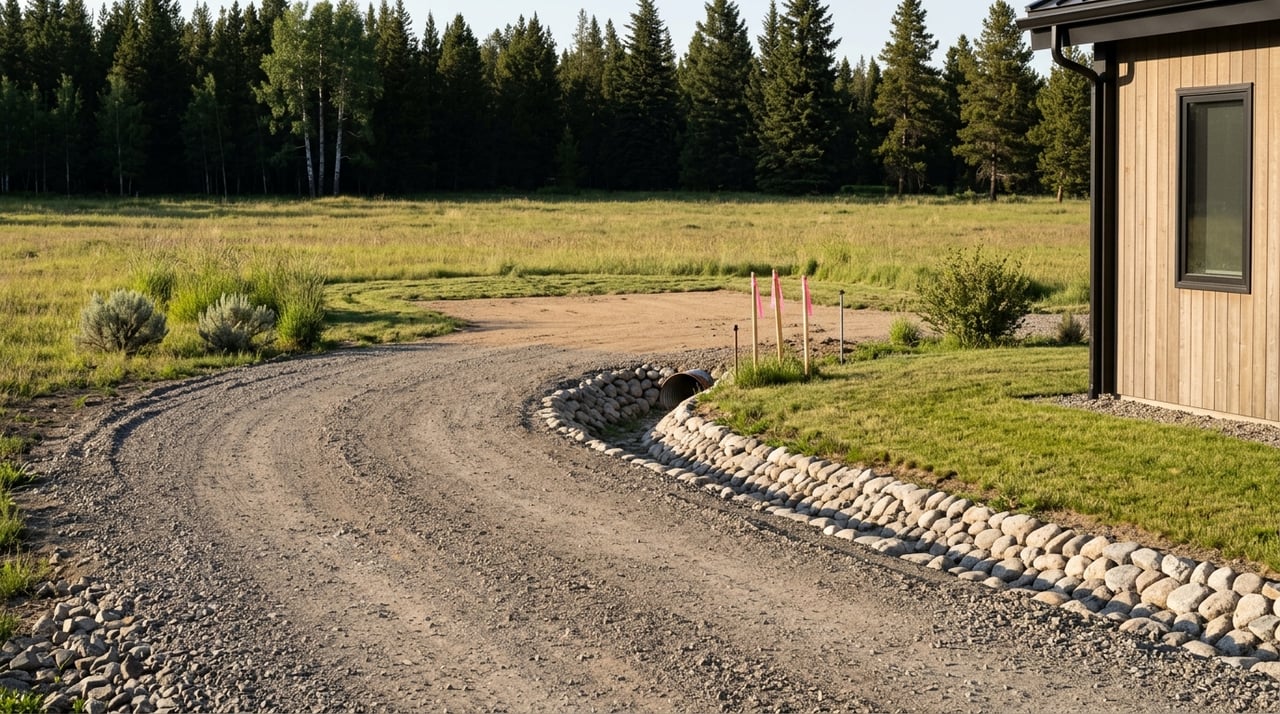
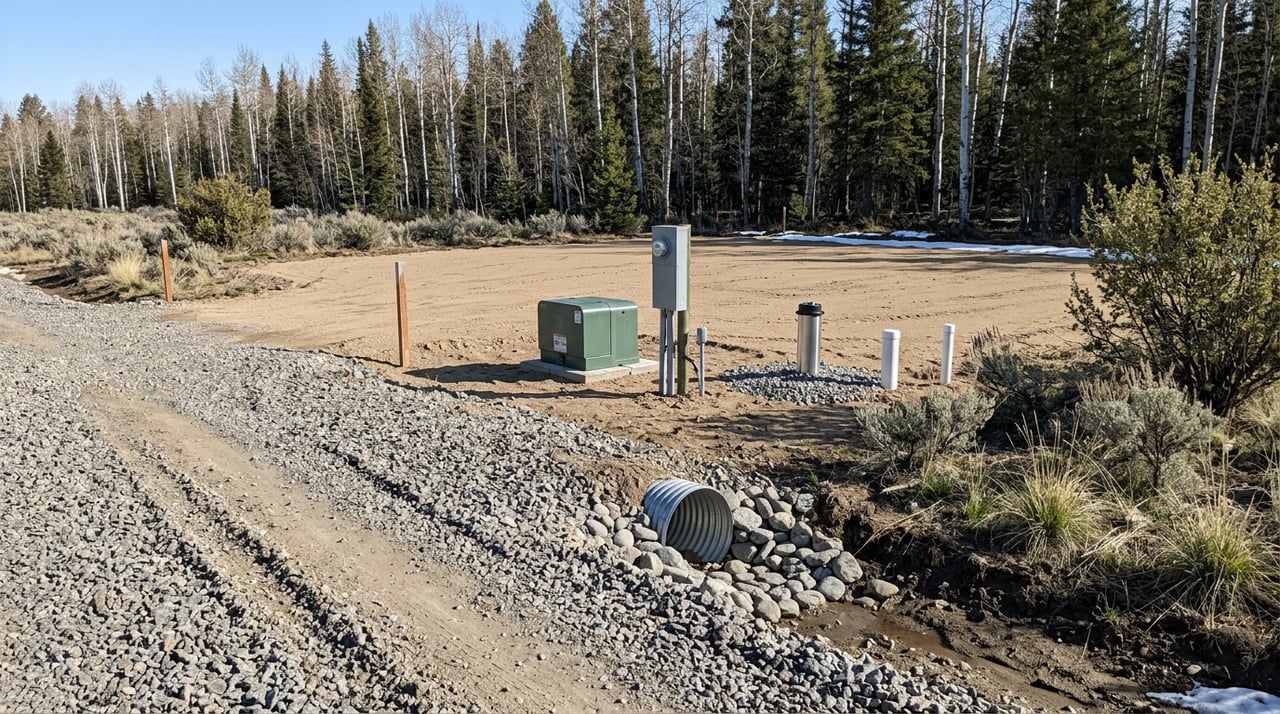
Teton Reserve is a golf community in Victor, Idaho, about 2 miles north of downtown Victor. On its official real estate pages, the community is described as a boutique golf community at the foot of the Teton Mountains with paved roads, native plantings, aspens, open space, and a mix of golf and residential uses. You can explore the community overview on the official Teton Reserve real estate page.
One detail worth noting is that official materials describe the community as roughly 448 acres in one place and nearly 500 acres in another. For that reason, it is best to think of Teton Reserve as a large master-planned golf community rather than focus on one exact acreage figure. What matters most as a buyer is the overall layout, the open space, and how the residential areas relate to the course.
Why Buyers Consider Teton Reserve
For many buyers, Teton Reserve hits a middle ground that can be hard to find in Teton Valley. It offers newer construction, community planning, and golf-oriented amenities, but it does not operate like a fully private club community with bundled membership access.
That distinction matters. If you want a setting with a golf course, organized infrastructure, and a more curated neighborhood feel, Teton Reserve may fit. If you are expecting private-club exclusivity or automatic golf access built into ownership, you will want to review the community structure carefully.
Golf and Amenities at Teton Reserve
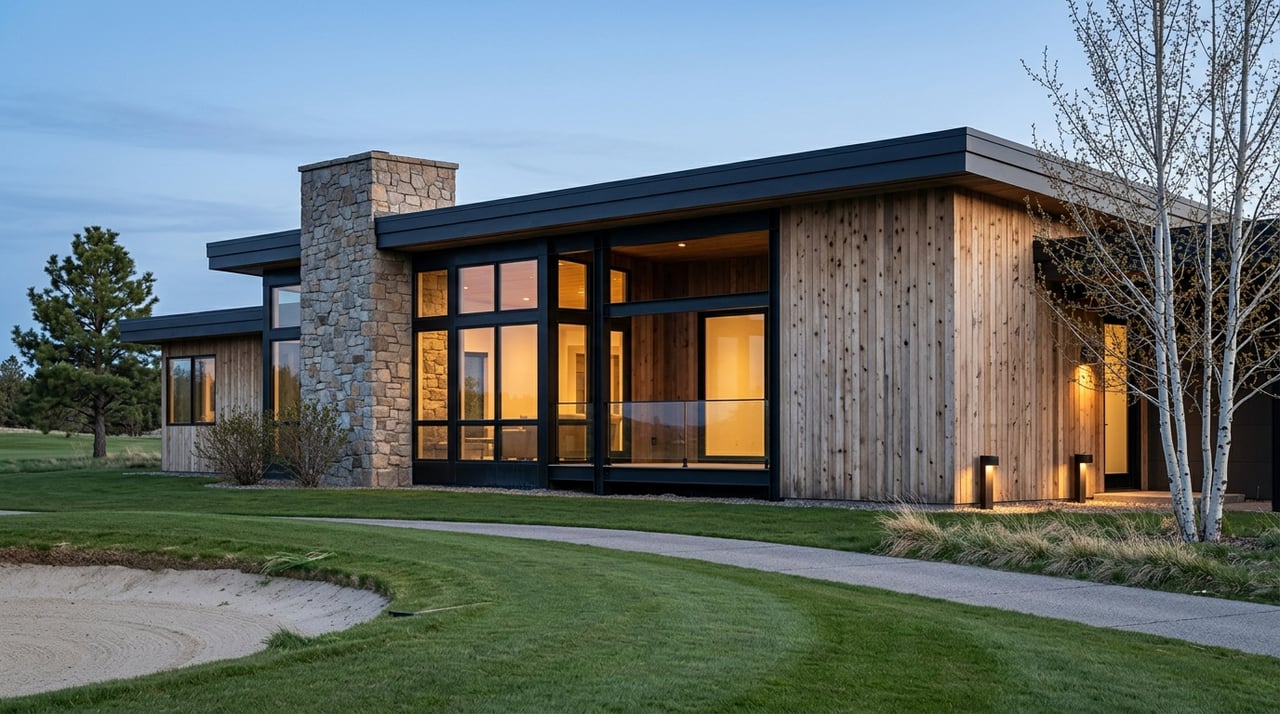
The golf course is one of the biggest draws. According to the official Teton Reserve site, it is a public 18-hole championship layout designed by Hale Irwin, measuring 7,426 yards and playing to par 72.
Because the course is public, the community functions differently from private golf developments. Tee times, season-pass sales, and public-facing operations are part of the model. That can be a plus if you want flexibility, but it also means ownership does not automatically equal a private club experience.
The clubhouse and golf operation include:
- A full-service driving range
- Practice facilities
- Cobra rentals and demos
- Shoes and apparel
- Food and beverage service
- Golf instruction
Those details are highlighted on the community’s current golf and clubhouse pages, and they help paint a clear picture of day-to-day use. This is a golf-centered neighborhood, but it is still important to separate the real estate purchase from the golf access model.
Home Types and Community Design
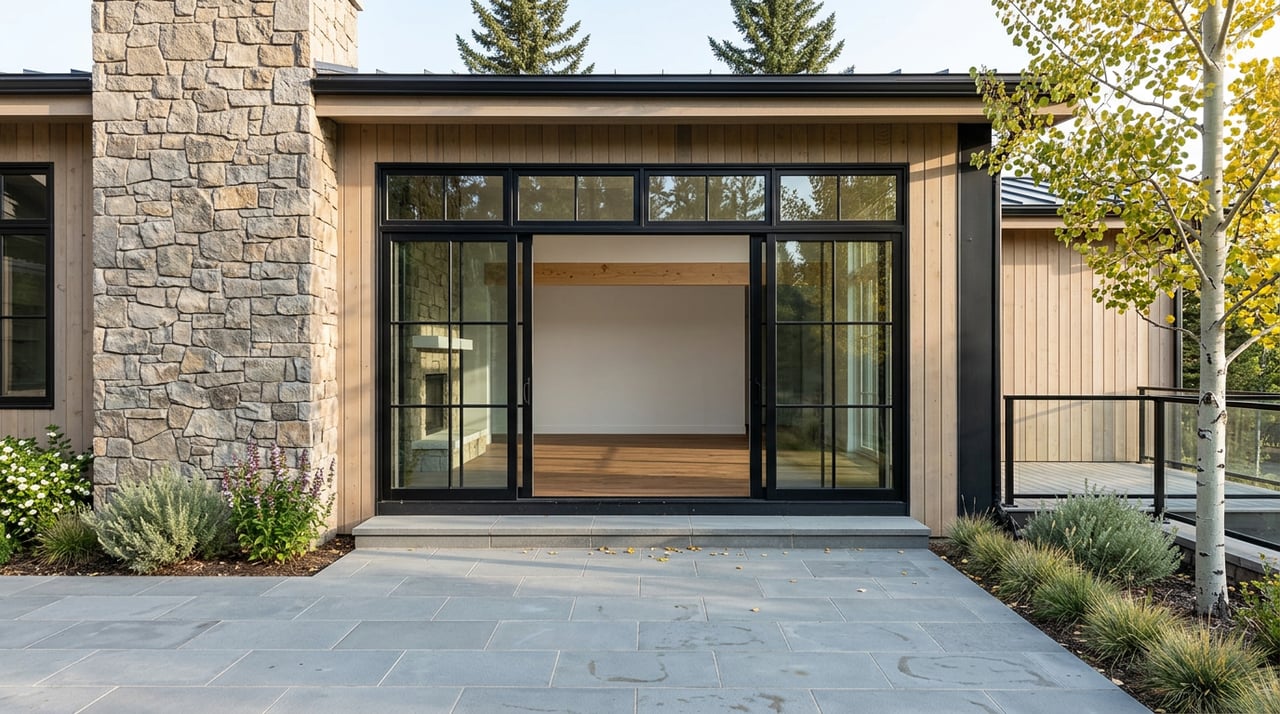
Teton Reserve offers more than one housing style. The broader real estate page describes a mix of western craftsman homes, cabins, and paired homes, while the new homes page currently emphasizes Red Hawk plans such as the Moran, Albright, and Traverse.
Those published plans are marketed at about 1,662 to 2,370 finished square feet, with optional basements that can increase total size significantly, especially on the Traverse plan. If you are comparing floor plans, that means you should look beyond the base square footage and ask what options are available on the specific lot or phase you are considering.
The community’s published design guidelines also show a more structured planning approach than you may find in some older neighborhoods. Land uses include single-family estate lots, bungalow lots, and townhome uses that include duplexes, along with open space and commercial areas. You can review those details in the design guidelines.
What the Design Rules Mean for You
The design standards favor a Mountain Craftsman character, pitched roofs, genuine materials, and a harmonious exterior look. In practical terms, that means Teton Reserve is designed to feel visually cohesive rather than fully custom and open-ended.
For you as a buyer, this usually translates to two things. First, the neighborhood tends to maintain a curated appearance. Second, any plans for building, remodeling, or exterior changes are likely to involve HOA or architectural review.
The guidelines state that they were created to preserve the overall character of the community and help protect property values. That can be appealing if you want consistency, but it also means you should read the governing documents closely before you commit.
HOA Costs and Ongoing Fees
Recurring ownership costs are a major part of due diligence in Teton Reserve. The current HOA page lists 2025 quarterly charges of $380 for association dues, $125 for water, and $443.25 for sewer, for a total of $948.25 per quarter. Based on those figures, the annualized recurring cost is about $3,793 before any golf fees. You can review the latest posted numbers on the Teton Reserve HOA page.
There is one important caution here. The separate water page reportedly shows a different water charge, so the exact current water amount should be verified directly with the HOA before you close. That is a small detail, but it is exactly the kind of item that matters when you are budgeting for a second home, primary residence, or investment property.
Rental Rules Buyers Should Not Miss
If rental flexibility matters to you, this is one of the most important sections of your research. Teton Reserve heavily restricts short-term rentals.
The official HOA rental resolution states that leases under seven days violate the rule, and advertisements for shorter-term rentals can trigger special assessments. You can review the policy in the official rental resolution.
That means Teton Reserve is likely a very different fit from a property you plan to use for nightly or weekend rental activity. If you are buying for personal use, part-time occupancy, or longer-term leasing, the community may still make sense. If short-term rental income is central to your plan, you will want to verify the rules, enforcement process, and any updates before moving forward.
Availability Can Change Quickly
One challenge with Teton Reserve is that inventory and phase status can change fast. The home page has promoted quick-delivery homes while also showing several phase pages as sold out. You can see the current project status on the Teton Reserve home page.
For buyers, the takeaway is simple: do not rely on static online information alone. If you see a floor plan, phase, or lot type that interests you, confirm that it is actually available and ask for current pricing, delivery timing, and any planned releases.
How Teton Reserve Fits Victor’s Market
Teton Reserve sits within a broader housing market that remains tight and competitive. According to the Teton County Economic Plan Update 2024, jobs in the county have grown about 5% annually since 2015, while housing supply has grown only about 2.1% annually.
The same report says the median price of newly constructed homes sold in 2021 and 2022 reached $918,000. It also notes substantial demand pressures tied to recreation, commuting, and limited housing supply. In that context, communities with newer homes, planned infrastructure, and amenity appeal tend to draw strong interest.
That does not automatically make Teton Reserve the right fit for every buyer. It does explain why buyers often compare it favorably against older subdivisions, scattered-site resales, or more expensive private-club style options elsewhere in the valley.
Who Teton Reserve May Suit Best
Teton Reserve can be a strong option if you want a property that combines newer construction and a golf-oriented setting near Victor. It may appeal to you if you value:
- Proximity to downtown Victor with a more planned neighborhood layout
- A public golf course and practice amenities nearby
- A community with architectural consistency
- Home options that may include detached homes, cabins, paired homes, or townhome-style living
- A setting that feels more structured than a typical subdivision
It may be less ideal if your top priorities include nightly rental flexibility, a fully private club model, or total freedom over exterior design and modifications.
Smart Questions to Ask Before Buying
Before you purchase in Teton Reserve, ask clear, property-specific questions. A well-informed review now can help you avoid surprises later.
Consider confirming:
- Current HOA dues, water, and sewer charges
- Whether any fees are expected to change
- The exact rental restrictions in force today
- Whether the home or lot is subject to design review requirements for future changes
- What golf access options are available to owners versus the public
- Whether the phase, plan, or inventory you want is currently available
- What is included in the offered home package versus optional upgrades
These questions matter for both full-time buyers and second-home buyers. They are especially important if you are comparing a resale property to a new-construction opportunity.
Buying with Better Local Context
In a place like Victor, the right home is not just about the house itself. It is also about how a community operates, what restrictions come with ownership, and how the property fits your long-term goals.
That is where local guidance can make a real difference. When you understand the neighborhood structure, the market context, and the details behind the listing language, you can make a cleaner, more confident decision.
If you are weighing whether Teton Reserve fits your goals in Victor or elsewhere in Teton Valley, Grand Associates can help you compare options, verify current community details, and build a search strategy that matches how you actually want to live.
FAQs
What is Teton Reserve in Victor, Idaho?
- Teton Reserve is a golf community about 2 miles north of downtown Victor that includes residential areas, open space, and a public 18-hole championship golf course.
Is the golf course at Teton Reserve private?
- No. The official community materials describe Teton Reserve as a public golf course with tee times, season-pass sales, and public-facing operations.
What kinds of homes are available at Teton Reserve?
- Official materials describe a mix that can include western craftsman homes, cabins, paired homes, and other planned residential product types, with availability changing over time.
Are there HOA fees at Teton Reserve?
- Yes. The HOA page lists quarterly association, water, and sewer charges, but buyers should verify the latest amounts directly because at least one posted water figure appears inconsistent across official pages.
Can you use a Teton Reserve home as a short-term rental?
- Short-term rentals are heavily restricted, and the HOA rental resolution states that leases under seven days violate the rule.
Why do buyers look at Teton Reserve in the Victor market?
- Buyers often consider Teton Reserve because it combines newer construction, a golf-community setting, planned infrastructure, and proximity to Victor in a market where housing supply remains constrained.